






If you’ve lived with the same boiler for years, it’s easy to ignore the slow decline. It still fires up, the radiators get warm eventually and you put up with the odd noise. But there usually comes a point when patching it up stops making sense. I speak to plenty of homeowners looking at a new boiler in Sutton who say the same thing: “I wish I’d done it sooner.”
Knowing when to replace your boiler can save you money, stress and the inconvenience of a breakdown in the middle of winter. Here’s what to look out for and how to decide whether it’s time to upgrade.
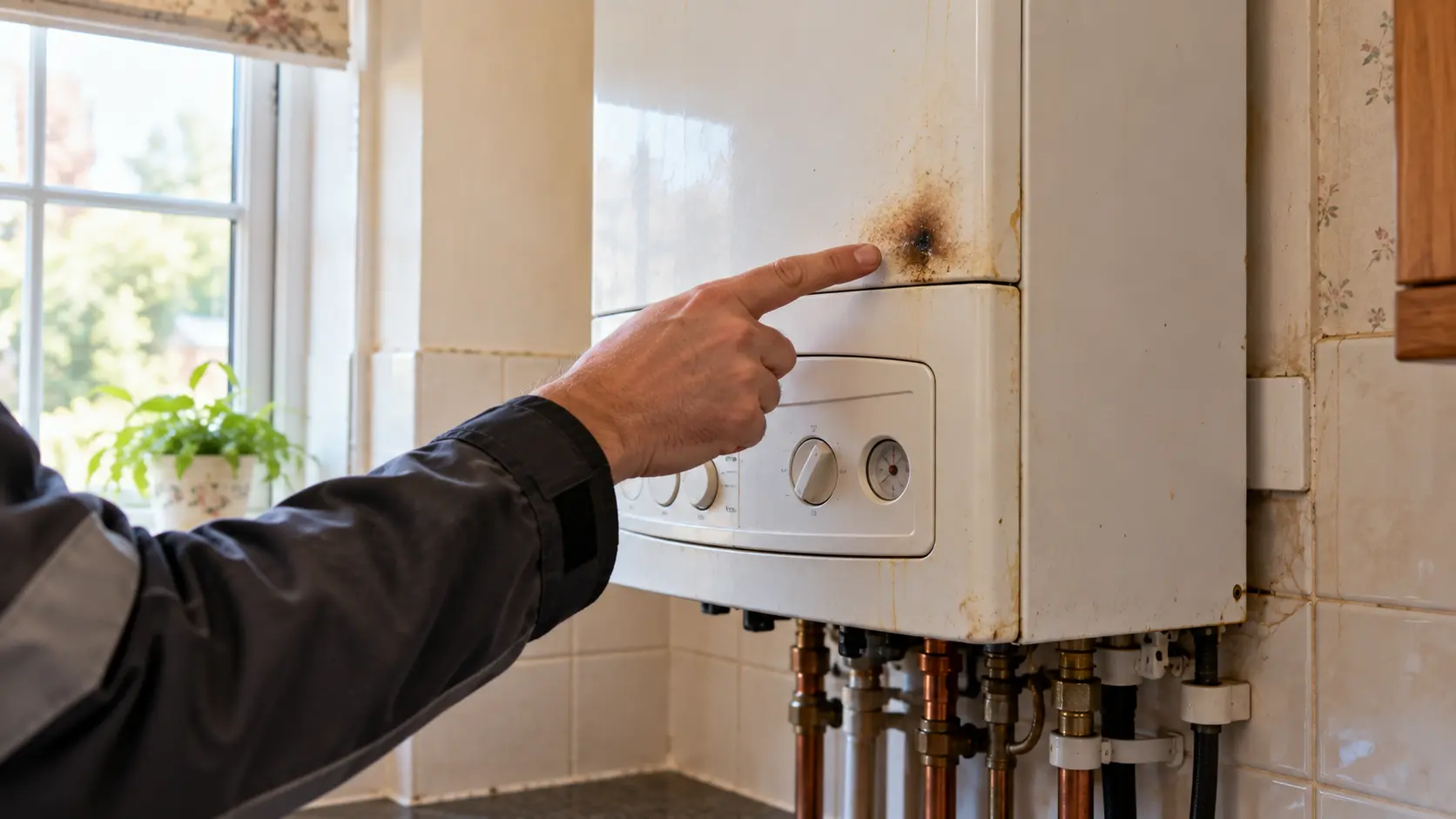
Common signs your boiler needs replacing
Boilers rarely just stop without warning. Most give you clues over months or even years.
Your boiler is 10 to 15 years old
As a rough guide, if your boiler is over 12 years old you’re living on borrowed time. Some last longer, especially if they’ve been serviced properly, but efficiency drops as components wear out.
I still see old non-condensing boilers in parts of Sutton and Wimbledon that are running at 60 to 70 per cent efficiency. That means a good chunk of what you’re paying for is literally going up the flue.
Frequent breakdowns and rising repair bills
If you’ve had the same engineer out two or three times in a year, it’s a red flag. Small parts like diverter valves and fans can be replaced without too much pain, but once major components such as the heat exchanger start failing, costs climb quickly.
A question I often get asked is: “Should I just fix it one more time?” If you’re spending several hundred pounds every year just to keep it limping along, that money might be better put towards a replacement.
Strange noises
Banging, kettling, whistling or humming noises aren’t normal. Some issues can be resolved with a powerflush or part replacement, but persistent noises usually mean the boiler is under strain.
In older systems around Epsom, I often find heavy limescale build-up in the heat exchanger which restricts water flow and overheats the unit. That kind of wear doesn’t go away for good.
Inconsistent heating or hot water
If your radiators are patchy, your hot water runs lukewarm or it takes ages for the system to respond, the boiler may no longer be performing properly.
Modern boilers are far more responsive. When someone upgrades, they often comment on how quickly the house heats up compared to before.
Higher energy bills
If your gas usage is going up but your habits haven’t changed, inefficiency could be the cause. Older boilers have to work harder to produce the same heat. Over time that adds up.
Repair vs replacement: how to decide
This is usually the sticking point. No one wants to spend money unnecessarily.
I tend to suggest looking at three things:
- The age of the boiler
- The cost of the current repair
- The likelihood of further faults
If your boiler is under eight years old and the repair is minor, it’s often worth fixing. But if it’s over 12 years old and needs an expensive part, replacement is usually the more sensible long-term option.
Landlords in particular need to think about reliability. A breakdown in January isn’t just inconvenient, it can mean unhappy tenants and emergency call-out costs.
Benefits of upgrading to a modern boiler
There’s a noticeable difference when you switch from an ageing unit to a modern condensing boiler.
Improved efficiency
Most new A-rated boilers operate at over 90 per cent efficiency. That can make a real dent in annual heating bills, especially in larger family homes.
Better reliability
New boilers come with manufacturer warranties, often ranging from seven to ten years when installed and serviced correctly. That brings peace of mind.
Quieter operation
Modern units are far quieter. If your current boiler sounds like it’s about to take off every morning, you’ll appreciate the difference.
Improved controls
Many new systems work seamlessly with smart thermostats and weather compensation controls. That means more consistent temperatures and less wasted energy.
For local homeowners looking at options in Sutton, Epsom or Wimbledon, it’s worth considering how an upgrade could improve day to day comfort as well as cut running costs.
How to choose the right replacement boiler
Once you’ve decided to replace, the next step is choosing the right type and size.
Combi, system or regular?
Combi boilers are popular in flats and smaller homes because they don’t need a separate hot water cylinder. System and regular boilers suit larger properties with higher hot water demand.
I’ve been in plenty of lofts around Wimbledon where an old tank system could be replaced with a combi to free up space. In other homes, especially larger ones in Epsom with multiple bathrooms, keeping a system boiler makes more sense.
Correct sizing
Bigger isn’t always better. An oversized boiler will cycle on and off too frequently which reduces efficiency and increases wear. A proper heat loss calculation ensures the boiler matches the property.
Quality installation
Even the best boiler can underperform if it’s not installed correctly. Proper system flushing, correct pipe sizing and accurate setup make all the difference to longevity.
Final thoughts and next steps
If your boiler is showing its age, breaking down regularly or costing more to run, it’s worth stepping back and looking at the bigger picture. A planned replacement is almost always less stressful than waiting for a complete failure in the middle of a cold spell.
Every home is different, so getting tailored advice matters. If you’re unsure whether to repair or replace, speak to a qualified engineer who can assess your current system honestly and explain your options clearly.
For homeowners and landlords in the local area, AMT Heating can provide straightforward advice and practical recommendations based on years of experience in properties just like yours.
If your boiler’s showing its age and you’re wondering whether it’s time, get in touch and we’ll come and take a look and give you an honest answer.