






If you’re planning to have a new boiler installed, one of the most common questions is “What size do I actually need?” It’s a fair question. Too small and you’ll struggle for hot water. Too big and you’ll waste energy and money. I’ve been in plenty of homes across south west London where the boiler was completely the wrong size for the property, usually because someone guessed.
Getting the size right isn’t about the physical dimensions of the boiler on the wall. It’s about its output, measured in kilowatts. Let’s break it down in plain English so you can make a sensible decision.
neer 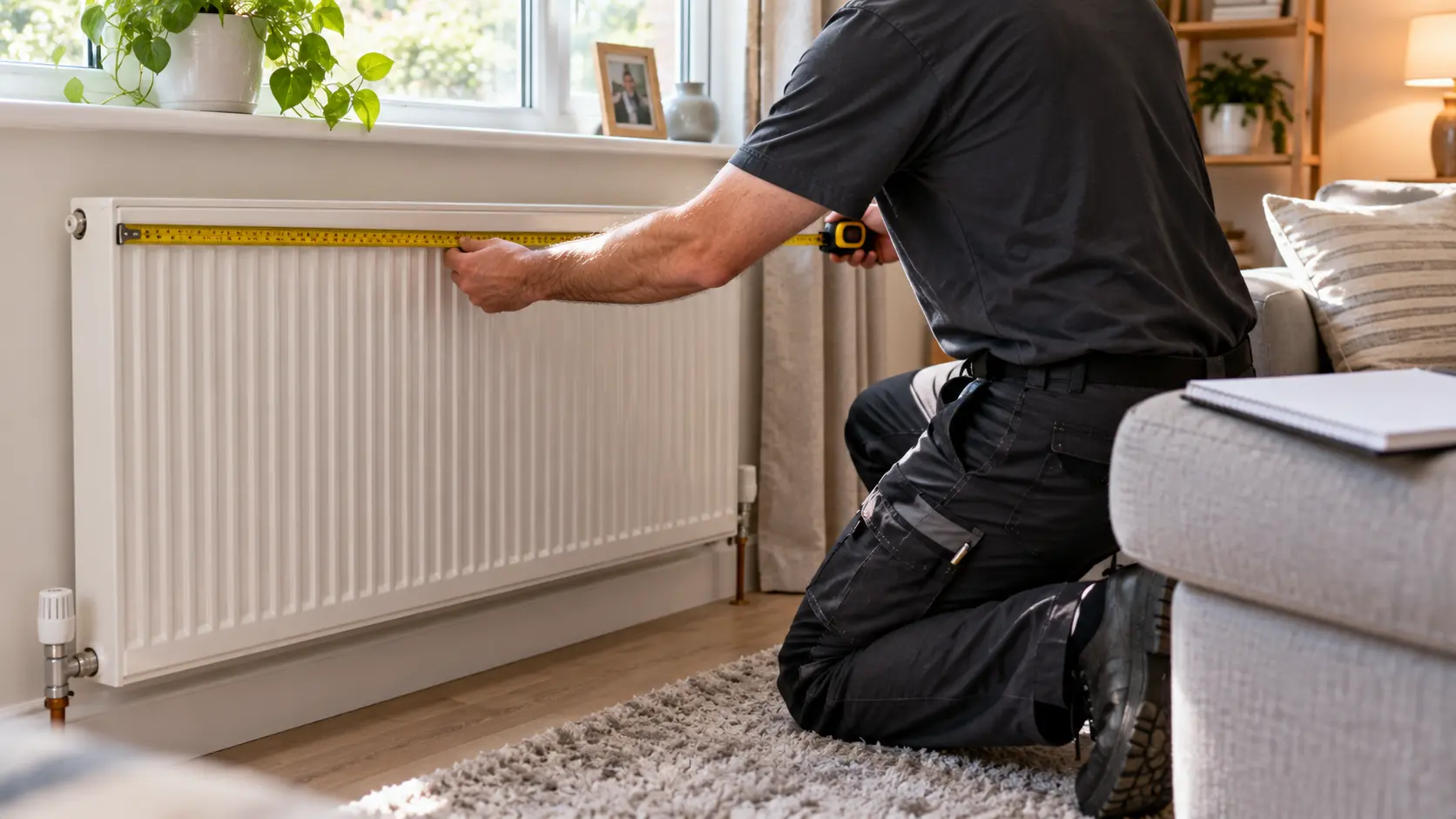
Why Boiler Size Matters for Efficiency and Comfort
When we talk about boiler size, we’re talking about power output. A higher kilowatt rating means the boiler can produce more heat and hot water at once.
If a boiler is undersized, it will constantly run flat out. You might notice radiators that take ages to warm up or a shower that goes lukewarm when someone turns a tap on downstairs. I’ve seen this a lot in larger family homes that were fitted with entry level combi boilers.
On the other hand, an oversized boiler isn’t clever either. It will heat up quickly then switch off, then back on again. That stop start pattern, known as short cycling, reduces efficiency and can wear components out faster. It’s not dangerous, just wasteful.
The right size boiler runs steadily, meets demand comfortably and keeps your gas bills sensible. That’s the sweet spot.
Understanding Boiler Output and Household Needs
Boiler output is measured in kilowatts and there are two things we look at: heating output for your radiators and hot water output for your taps and showers.
For combi boilers in particular, hot water demand usually drives the size choice. That’s because they heat water on demand rather than storing it.
As a rough guide:
- Small flat or 1 bathroom property: around 24 to 27kW
- 3 bedroom house with 1 bathroom: around 28 to 30kW
- Larger home with 2 bathrooms: 30 to 35kW or more depending on usage
But those numbers are only starting points. I always ask homeowners a few practical questions. Do two showers ever run at the same time? Is there a big rainfall shower head? Does the bath get used regularly? These details matter more than estate agent descriptions.
If you have a system boiler with a cylinder, the thinking is slightly different because the stored hot water does some of the heavy lifting. In that case, radiator demand and overall heat loss become more important.
Key Factors: Property Size, Radiators and Hot Water Demand
1. Property size and heat loss
A modern, well insulated two bedroom house in Worcester Park will need far less heating power than a draughty Victorian terrace in Wimbledon with high ceilings and single glazing. I work in both types regularly and the difference is noticeable.
Insulation, window type, wall construction and even ceiling height all affect how much heat your home loses. A proper heat loss calculation gives the most accurate answer, especially for larger or older homes.
2. Number and size of radiators
More radiators generally mean more demand, but it’s not just about how many. It’s about their output. Large double panel radiators in open plan spaces need more energy than small single panels in box rooms.
If you’ve extended your home, perhaps with a kitchen extension in New Malden, and kept the old boiler, there’s a good chance it’s now working harder than it was designed to.
3. Hot water demand
This is the big one for combi boilers. Two teenagers showering back to back on a winter morning will quickly show up an undersized boiler. So will a home with two bathrooms used at the same time.
If you regularly need high volumes of hot water, a larger combi or even switching to a system boiler with cylinder might be the better long term solution.
Common Mistakes to Avoid When Choosing a Boiler Size
Over the years, I’ve seen a few patterns crop up.
- Choosing like for like without checking if it was right in the first place
- Assuming bigger is better
- Not factoring in a loft conversion or extension
- Ignoring low water pressure which affects combi performance
One customer in Wimbledon had replaced a perfectly adequate 30kW boiler with a 38kW model thinking it would improve shower pressure. It didn’t. The issue was incoming mains pressure, not boiler output.
Another common mistake is focusing only on the boiler and not the system. Sludge in radiators, poor controls or incorrect pipe sizing can all affect performance. If you’re unsure about the overall condition of your system, it’s worth understanding how regular servicing helps in posts such as how often you should service your boiler.
If you live locally and want to see what’s involved in different areas, you can find details for Wimbledon, Worcester Park or New Malden installations.
When to Call a Professional Heating Engineer
You can get a rough idea of size from online guides, but a proper assessment should include a heat loss calculation and a look at your hot water usage habits.
An experienced heating engineer will check:
- The size and layout of your property
- Radiator output and condition
- Current gas supply and pipework
- Mains water pressure and flow rate
- Your future plans such as extensions or additional bathrooms
I often get asked, “Can’t you just swap it for the same size?” Sometimes yes, often no. Properties change over time. What worked fifteen years ago might not suit how you use your home now.
If you’re unsure, getting tailored advice is far cheaper than correcting a poor installation later. A well sized boiler should give you consistent heating, reliable hot water and sensible running costs for many years.
If you’re not sure what size boiler your home needs, get in touch and we’ll come and work it out properly for you.